Plug-in solar just became legal in the UK — here are 5 things you need to know, from prices to potential savings | Daily Reports Online
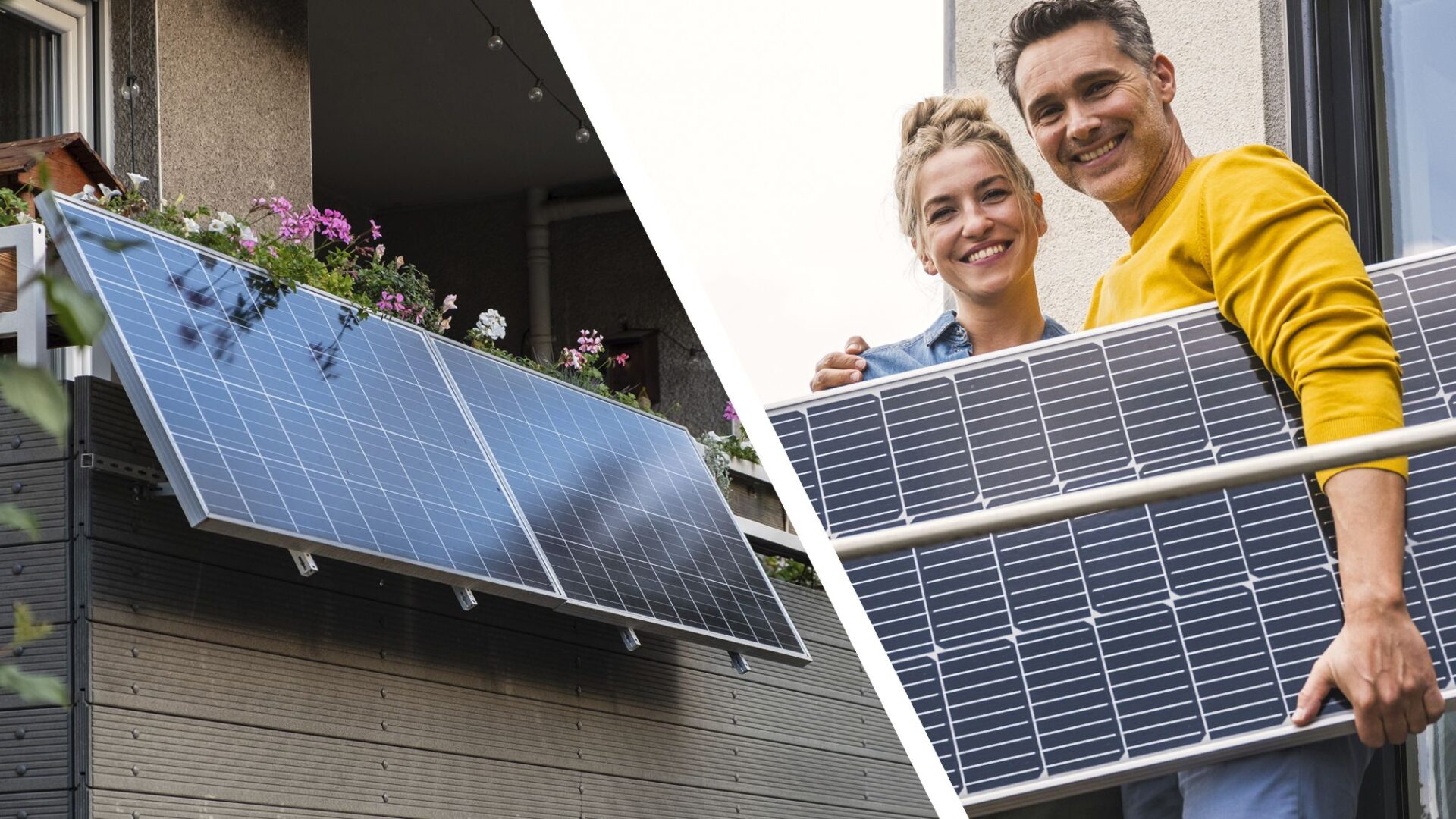
After proving popular across Europe, plug-in solar is now legally allowed in the UK. That means you can buy a solar panel for your balcony or shed roof, and plug it straight into the mains — no roof mounting or professional installation necessary, in theory at least.
It makes it simpler and quicker to start saving on your electricity bills, and of course it’s a boon for renters who don’t own their own home (or the roof on top of it). Plug-in solar packs are now going to start popping up in stores, and you’re free to go and get one.
If you’ve got questions about the tech — what’s legal and what isn’t, where you can put these panels, or how much you can save, for example — we’re here to answer them. Here’s everything you need to know about plug-in solar tech in the UK from August 27, 2026.
Latest Videos FromTechRadar
1. The new regulations only cover complete plug-in solar kits
If you’re heading out or going online to look for some new plug-in solar panels, note that you need to buy complete kits to stay on the right side of the law: panels, an inverter, a cable, a plug, and any relevant mounting hardware.
Look for kits that meet the Plug-in Solar Device Interim Product Specification published by the government. These kits have to stick to limits of 800 volt-amps of output and 3.5 amps of current, while you’re limited to up to 2,000 watts of overall solar energy capture.
These limits are all designed to protect your mains electricity and your home against damage and accidents. With that in mind, you’re only allowed to connect one plug-in solar panel kit per property. You can also check to see which approved kits are available at the likes of the Plug-In Solar Register.
2. They could save you up to £110 a year

With so many variables at play — how big your fridge is, how sunny your back garden gets — it’s difficult to be definitive about how much you’re going to save with plug-in solar. Early estimates suggest you could get back about £110 a year, so with kits costing in the region of £700, it’ll take you a few years to break even.
Some experts have estimated that around three-to-five years is a reasonable window to expect a return for your money. That’s quicker than you might expect from a typical rooftop solar panel installation.
As more solar kits hit the market and we’ve got more data to work with, these estimates should get more precise. Based on average usage across the country, an 800W plug-in solar kit could take care of around a quarter of your electricity use.
3. You can buy them now — but there aren’t yet many to choose from

Plug-in solar is now legal in the UK, with the restrictions mentioned above, but the technology is going to take a while to get properly established. There aren’t a host of kits available right now that you can go out and buy.
Major chains including Lidl, Asda, and B&Q have certainly given indications that they’re willing to start stocking plug-in solar kits once they become legal — so now we just need more supply.
They should also be available from Amazon in the near future. John Boumphrey, UK & Ireland Country Manager at, Amazon told us last month: “The Government’s announcement on plug-in solar panels is a practical step that gives households a simple way to generate their own power, reduce bills, and contribute to the UK’s net zero goals. We’re looking forward to helping customers access this technology.”
4. You can’t plug one into a battery (yet)

There is still a caveat when it comes to this type of solar technology becoming legal in the UK: while you’re now allowed to plug certified kits into the mains, you can’t attach them to a battery, or plug a battery into the mains without getting them professionally installed.
Any energy that your plug-in solar panels are using has to be used by your home appliances as it’s being generated and fed in. There’s no option to store up the energy for future use and deploy it on demand — power banks and solar panel accessories do exist of course, as do home batteries that link to your home’s electricity system, but they’re separate from plug-in solar.
The UK government is being somewhat vague when it comes to approving plug-in batteries as well as plug-in solar — it probably just wants to see how the solar part goes first — but there’s lots more potential here when batteries are added too.
5. There are some restrictions on where you can put them

As well as sticking to the rules when it comes to the kind of kits you can buy, you also need to know what is and isn’t allowed when it comes to placing these panels around your property — as there are restrictions here too.
Your panels need to steer clear of wood for example, because of the fire risk. They can’t go on wooden balconies, fences, walls, or gates. They can’t go more than 20cm (7.9 inches) above a sloped roof, or more than 60 m (23.6 inches) above a flat roof. What’s more, they can’t extend more than 40cm (15.7 inches) from a wall, which goes down to 20cm (7.9 inches) if you live next to any kind of thoroughfare.
Some of these restrictions can be got around, but only with planning permission from the local council. Those limitations are what you can get away with without permission — though if you’re renting, it’s always wise to check with your landlord anyway.

Follow TechRadar on Google News and add us as a preferred source to get our expert news, reviews, and opinion in your feeds.