‘It’s the singer, not the song’: Wildlife Photographer of the Year contender sparks huge debate about whether camera gear actually matters — as decade-old Nikon DSLR captures ‘wild shot’ | Daily Reports Online
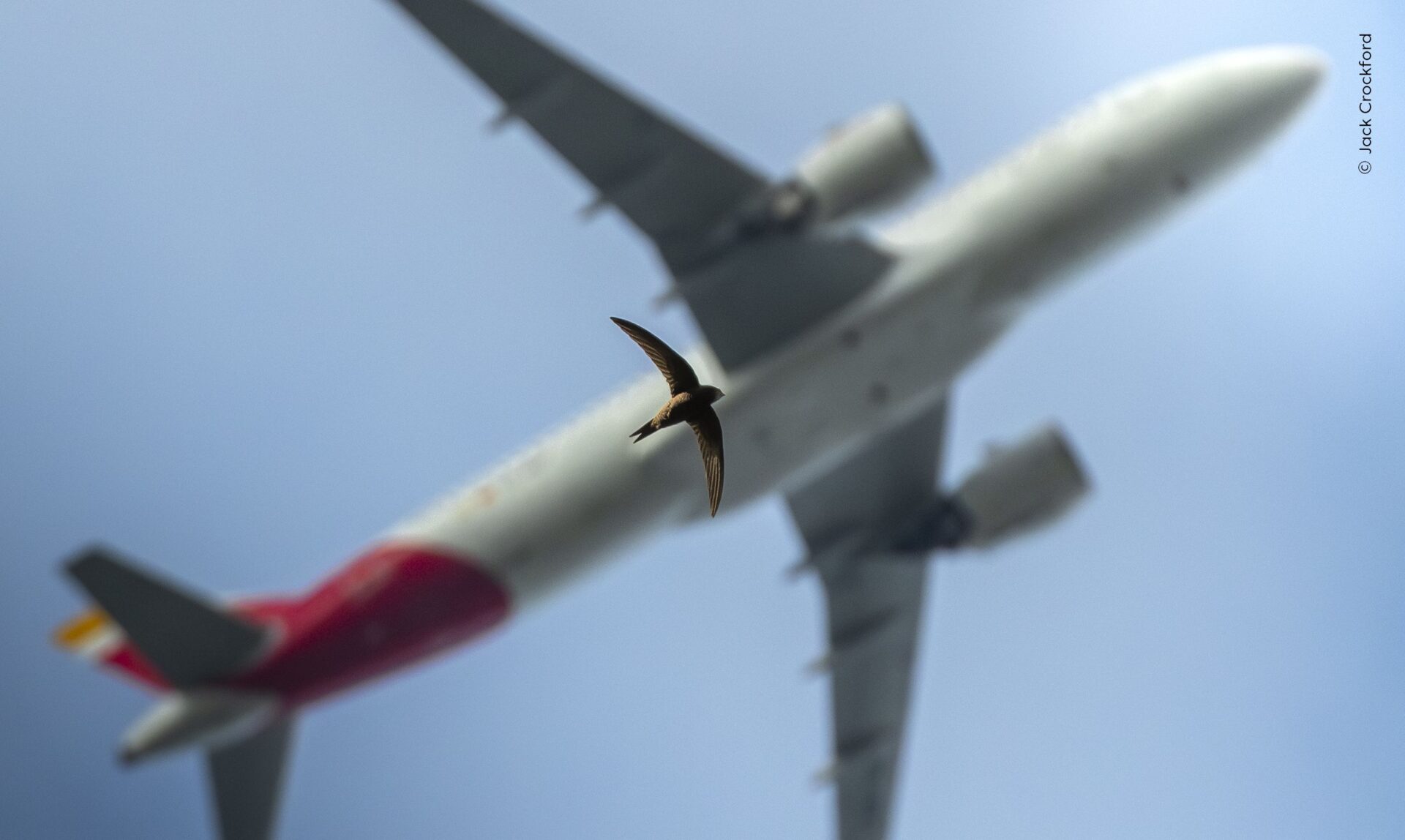
The Wildlife Photographer of the Year 2026 shortlisted entries were announced last week, and one contender in particular caught the eye — a photo of a swift in flight as an aeroplane looms overhead, shot by 16-year-old photographer Jack Crockford, from the UK.
‘Great shot!’ chimed a few people in the 500 or so comments on TechRadar’s Facebook post, which also received almost 25k reactions. The majority of the comments, however, focused on the camera gear element of the headline (not the photo itself or the age of the photographer), which pinpointed that the photo was captured with a 10-year-old Nikon DSLR.
In case you were wondering, the camera in question is the enthusiast-level Nikon D500 (APS-C), and Crockford paired it with the Nikon AF-S 200-500mm f/5.6E ED VR telephoto zoom lens to get the shot.
Latest Videos FromTechRadar
Cue the age old photography debate I’ve read time and again in my 15+ years writing about camera gear — is it the gear, or the photographer, that gets a great photo?
The correct answer, of course, is that there’s no simple, single answer — it depends on the context and subject being photographed — and that the end result is the work of both tool and creator. For Crockford, however, gear certainly empowered him to get his WPOTY award contender.
Sometimes, gear really does matter
I’m all for celebrating the photographer, and rightly so. The craft and dedication (and, sometimes, a dash of fortune) required to create an image that stands out is undeniable, and deserves appreciation.
I see it in myself — I have a better eye for a photo now than I did at the start of my career, and I’m still improving (emphasis on having an eye for it to begin with).
But to those that simply said in the comments section; “it’s not about the camera”, or “photography was never about the equipment”, and “it’s the singer, not the song”, I say you’ll need more than luck to get a photo like the image in question — a distant bird in flight.
Skill alone doesn’t reach 600mm, a lens does. Nor is your iPhone bagging you that shot. You need telephoto reach, and decent autofocus helps.
Technically speaking, enthusiast-level and pro-level mirrorless cameras are the most advanced cameras today for wildlife photography, thanks to dedicated subject tracking modes (which, in many models, includes bird detection autofocus), and faster-than-ever burst shooting. You are more likely to get a technically sound image with modern camera gear.
Many of the comments defended DSLRs, but the point of the article was never to attack the format, which in the current market has essentially been replaced by mirrorless, but to highlight how popular (and capable) these systems are still.
DSLRs are still seemingly the camera of choice for wildlife photographers — if the shortlisted entries for WPOTY 2026 are anything to go by. I still rock my Nikon D800 which precedes Crockford’s camera, and its age doesn’t stop if from taking good photos.
You don’t need the latest gear to get the (wildlife) shot, but it does help. But for the incredible shortlisted entries in WPOTY 2026, it took skill and gear to get the shot. There is a gear bottom line required to stand a chance.
The Wildlife Photographer of the Year 2026 winners will be unveiled in October, and you can see the winning images in the flesh when the exhibition begins in October at London’s Natural History Museum, UK — you can grab tickets here.

Follow TechRadar on Google News and add us as a preferred source to get our expert news, reviews, and opinion in your feeds.