TVs are finally being hit hard by the AI-fueled memory crisis: for the first time, the cost of the processors is higher than the display panels in some models | Daily Reports Online
- For small TVs, the processors are now as as expensive as the panels for the first time
- AI-driven demand is creating a global supply shortage of memory and processors, and it’s expected to last through 2027
- (Flash storage is 9x more expensive while Wi-Fi modules have become as pricey as 4K panels)
AI continues to be the Very Hungry Caterpillar of tech, gobbling up so many semiconductors that supplies of crucial components are limited and prices are soaring. And it looks like the latest tech sector to be chomped is the TV market.
According to market research firm Omdia, as reported by DigiTimes, the cost of semiconductors has risen so much this year that for the very first time, the most expensive part of the TV may no longer be the panel, but the chips powering it.
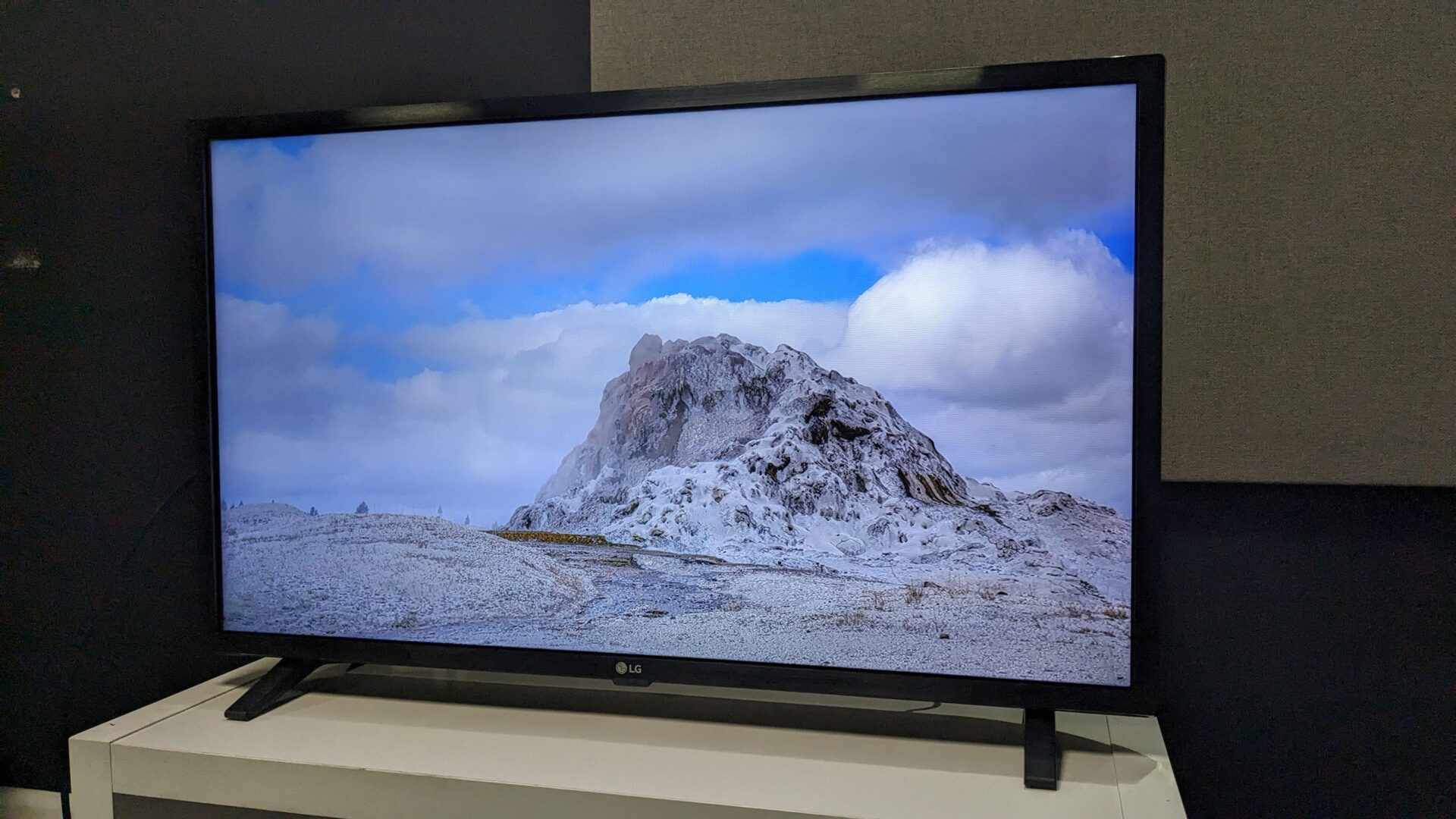
The good news is that, for now at least, the issue is primarily at the lower end of the market: think 32-inch LCDs and Full HD models in the low 40 inches, rather than the best OLED TVs. But with component costs continuing to soar, the future looks a bit worrying to say the least.
Latest Videos FromTechRadar
Why component costs are pushing profits way down
We’re not talking about a couple of cents here or there; according to Omdia’s figures, the costs are rocketing. In the second quarter of 2025, you could expect the processing board’s share of the costs to be just over 10%. In the third quarter of 2026, it’s 45% or even 50% of the total cost.
Basic DRAM prices hit $25 in August this year, 4.4 times the price of a year ago, and NAND flash memory is up to $30.50, which is nearly nine times last year’s price.
The good news keeps on coming. Wi-Fi modules are apparently up from $33.90 in 2025 to $118.20 now. That makes the Wi-Fi chip more expensive than the lowest 55-inch 4K panel ($116) and close to the average 4K panel price of $123.
The component crisis is expected to continue through 2027 and beyond, squeezing the profitability of manufacturers in a market that’s already famed for its relatively low profit margins.
It’s unlikely that manufacturers could or will absorb ever-increasing prices forever, and that means we’re likely to see what we’ve already seen in the smartphone market: higher prices and lower specifications.
Thinking of buying a new TV?
Try our TV size and model finder! You tell it how far you sit from your TV, we’ll tell you what size to buy based on viewing angle advice from image quality experts, and we’ll recommend our three top TVs at that size for different prices.
Follow TechRadar on Google News and add us as a preferred source to get our expert news, reviews, and opinion in your feeds.