Forget broadband buffering — Chinese researchers use ‘hollow-core’ fiber to send 64 terabits of data per second across 626 miles, enough to download 160 4K movies a second and cutting latency by 30% | Daily Reports Online
- Chinese researchers report major hollow-core fiber upgrades
- Transmission capacities of 64Tbps were reached
- The technology could replace solid-core fiber in infrastructure networks
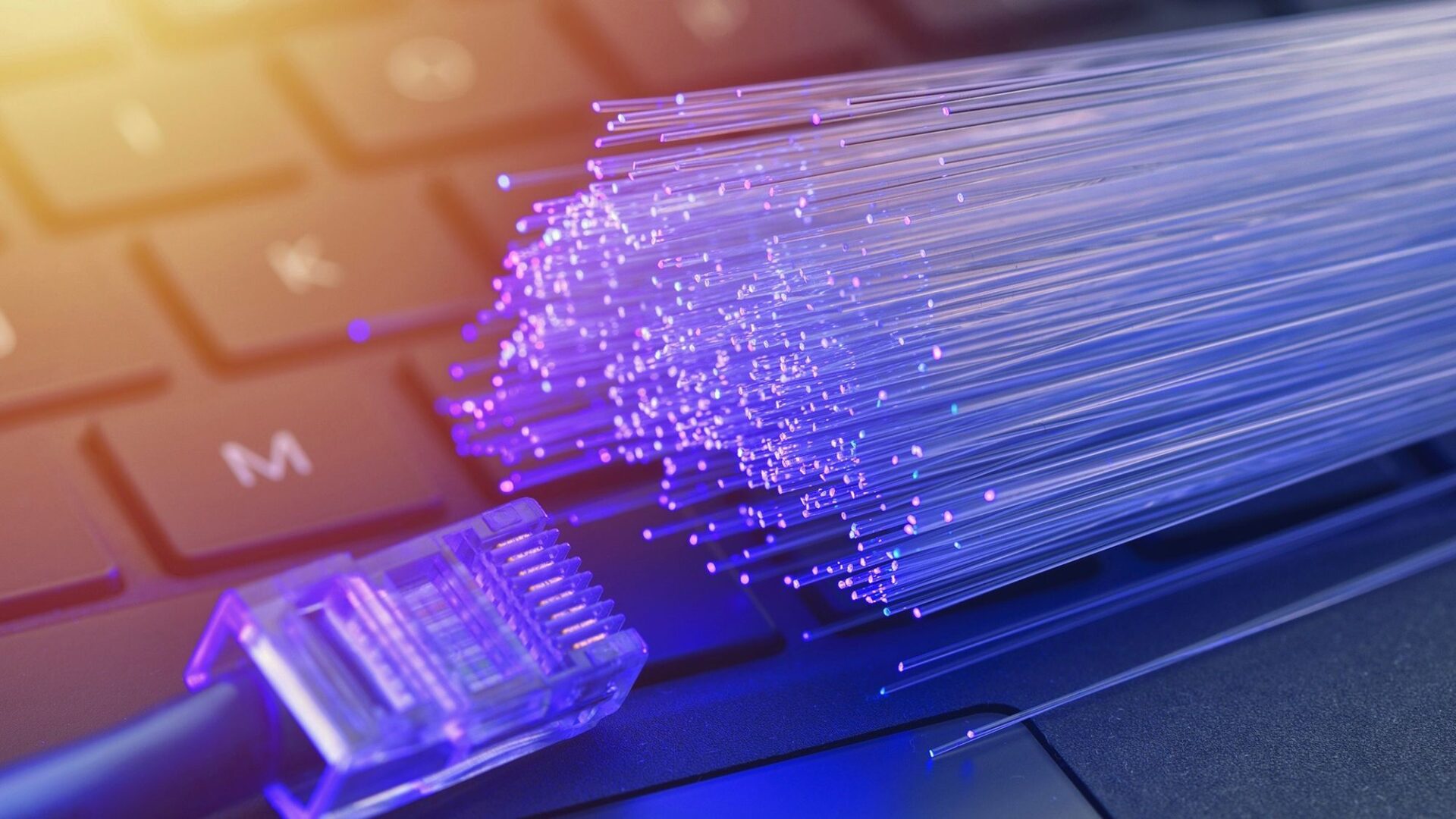
No matter how fast your broadband (or 5G) connection is, it could always be faster, and ‘hollow-core’ fiber could help. Researchers in China have now set new records for the technology, demonstrating two-way, high-speed data transmission across a distance of 1,007 kilometers (626 miles).
As reported by CCTV (via Interesting Engineering), a transmission capacity of 64 terabits per second (Tbps) was achieved in each direction, enough to download 160 films in 4K resolution (50GB each) every second — so perfect for movie night. Individual signals took just 3.43 milliseconds to travel the whole length of the link.
The transmission distance is some 50 times greater than previous hollow-core trials of the same type, while latency was reduced by 30%, too. Signal-to-noise ratios and loss margins were also improved, according to the team from the China Telecom Research Institute, Yangtze Optical Fibre and Cable (YOFC), and ZTE Corporation.
Latest Videos FromTechRadar
It’s a technology that companies are already investing in. For example, last year Microsoft signed a deal with Corning and Heraeus to scale up production of hollow-core fiber in order to upgrade its Azure cloud platform. By the end of this year, around 15,000 kilometers (9,321 miles) of hollow-core fiber should be in place supporting Azure.
A core change
As you can guess from the name, hollow-core fiber replaces the glass of solid-core fiber with air that has a glass lattice surrounding it. The glass edges keep optical signals heading in the right direction, but the hollow core means there’s less resistance to the light — which results in faster transmission speeds and lower latency.
The technology is better suited to large infrastructure projects than the cabling that connects your broadband network to your home, but you’ll still feel the benefit in the coming years: data centers are already making use of the technology, and it’s been tipped to support cellular networks too in the future.
Several challenges remain, because hollow-core fiber is more challenging to make and install than solid-core fiber, the current norm. However, as this latest demonstration in China shows, scientists are gradually overcoming some of the problems that remain, making the tech more commercially viable all the time.
The glass lattice that acts as the container for the data transmissions is particularly important, with recent improvements being made in the design and composition of this glass to reduce lag and increase stability. All of which means, we can expect to hear a lot more about hollow-core fiber going forward.

Follow TechRadar on Google News and add us as a preferred source to get our expert news, reviews, and opinion in your feeds.
The best laptops for all budgets